

0

Tag: data

Lead generation strategies for local gyms and fitness studios

Mastering Digital Marketing: A Comprehensive Guide for Local Businesses

In today’s increasingly digital world, local businesses face a unique challenge: standing out in a crowded marketplace while reaching customers in their immediate geographic area. Digital marketing has become essential for growth, but many small business owners aren’t sure where to start or how to allocate their limited resources effectively. This comprehensive guide will walk you through the complete digital marketing journey, from strategy to results, helping you build a sustainable online presence that drives real business growth.

1. Strategy: Building Your Digital Marketing Foundation

Before you invest time and money into any digital marketing initiative, you need a solid strategy. Many local businesses jump directly into tactics without understanding their foundational positioning, and this approach almost always leads to wasted resources and disappointing results.

Define Your Target Audience

The first step in any digital strategy is understanding exactly who you’re trying to reach. For local businesses, this is especially important because you’re competing in a defined geographic area. Create detailed buyer personas that include demographics, behaviors, pain points, and online habits. Where do they spend time online? What problems are they trying to solve? What devices do they use to search for your services?

If you run a dental practice in suburban Cleveland, for example, your ideal customer might be a busy parent aged 35-55 who searches for dental services on their smartphone during lunch breaks and values convenience and family-friendly atmospheres. This level of specificity should guide every decision you make moving forward.

Competitive Analysis and Positioning

Understanding your competitive landscape is crucial. Spend time researching your top 5-10 local competitors. What are they doing well online? Where are they advertising? What keywords are they targeting? What do their customer reviews say about them?

This analysis isn’t about copying competitors; it’s about finding gaps in the market and identifying opportunities to differentiate. Maybe all your competitors focus on price, but you excel at customer service. Maybe they have poor online reviews while you have exceptional service quality. These insights should inform how you position your business and craft your messaging.

Set Clear, Measurable Objectives

Your digital marketing strategy needs specific, measurable goals. Instead of “increase sales,” aim for “increase qualified leads by 30% in Q2” or “grow email subscribers from 500 to 2,000 by year-end.” These SMART goals (Specific, Measurable, Achievable, Relevant, Time-bound) provide clarity and allow you to track progress effectively.

Different businesses may prioritize different objectives. An e-commerce retailer might focus on driving sales directly, while a service-based business might prioritize lead generation and appointment bookings. A restaurant might focus on foot traffic and reservations. Understanding what success looks like for your business is fundamental.

Choose Your Digital Marketing Channels

With limited budgets, local businesses can’t be everywhere. Instead, identify where your target audience spends time and where you can compete effectively. Your channel mix might include search engine marketing, local SEO, social media marketing, email marketing, content marketing, and paid advertising. We’ll explore each of these in depth throughout this guide.

The key is focus. It’s better to master two or three channels than to do a mediocre job across five or six. As you mature, you can expand, but start with channels that align with your audience behavior and your competitive advantages.

2. Execution: Turning Strategy Into Action

Having a great strategy means nothing without excellent execution. This section breaks down how to actually implement your digital marketing plan day-to-day.

Website Optimization

Your website is the hub of your digital presence. It’s where people learn about your business, make purchase decisions, and contact you. Before you do anything else with digital marketing, ensure your website is optimized for conversions and user experience.

Key elements include: fast loading speeds (aim for under 3 seconds), mobile-responsive design (over 60% of searches are mobile), clear value proposition above the fold, easy navigation, prominent calls-to-action, and trust signals like testimonials and credentials. Each page should have a specific purpose and guide visitors toward a desired action.

For a local service business, your website should make it incredibly easy to book an appointment, get a quote, or call you. Forms should be short (no more than 5 fields if possible), and your phone number and address should be prominently displayed. Test different variations of your calls-to-action to see what resonates with your audience.

Content Creation and Marketing

Content is the foundation of modern digital marketing. By creating valuable, relevant content, you establish expertise, build trust, and improve your visibility in search results. Content comes in many forms: blog posts, videos, infographics, podcasts, case studies, and guides.

For local businesses, content should address the specific questions and concerns your local audience has. A plumbing company might create content about “How to prevent frozen pipes in Cincinnati winters” or “Signs your water heater needs replacement.” A fitness studio might create workout videos or nutrition guides.

Create a content calendar that maps content to your customer’s journey. Awareness stage content might answer general questions. Consideration stage content compares options and demonstrates expertise. Decision stage content includes testimonials, case studies, and pricing information.

Consistency matters more than volume. Publishing one valuable blog post per week is better than publishing four low-quality posts. Develop a realistic content schedule you can maintain, and stick to it.

Local SEO Implementation

For local businesses, local SEO is often the highest-ROI digital marketing activity. When someone searches “plumber near me” or “best coffee shop downtown,” local SEO ensures your business appears prominently.

Key local SEO tactics include:

  • Claiming and optimizing your Google Business Profile (formerly Google My Business) with accurate information, photos, and regular posts
  • Building local citations on directories like Yelp, Apple Maps, and industry-specific directories
  • Optimizing on-page content for local keywords
  • Building local backlinks through community partnerships and local press mentions
  • Generating and responding to customer reviews
  • Creating location-specific landing pages if you operate multiple locations

Google Business Profile optimization is especially important. Ensure every field is filled out completely, use high-quality photos showing your business, your staff, and your products/services, and post regularly (at least once per week). Ask satisfied customers to leave reviews—this significantly impacts local rankings and influences purchasing decisions.

Paid Advertising Strategy

While organic efforts take time to build, paid advertising can deliver immediate results. For local businesses, Google Ads (especially local service ads if you’re eligible), Facebook Ads, and Instagram Ads are typically the most effective channels.

Start with a small budget to test and learn. Maybe allocate $500-1,000 per month initially. Test different ad copy, images, and targeting parameters. Pay attention to metrics like cost per lead, conversion rate, and return on ad spend (ROAS). Kill underperforming ads and scale what works.

For service businesses, Google Local Services Ads can be extremely effective because they appear at the very top of search results for service-related queries and allow customers to book appointments directly. If you’re in an eligible category, this should be a priority.

Email Marketing

Email remains one of the highest-ROI digital marketing channels. Unlike social media where algorithms control visibility, email goes directly to your audience’s inbox. Build your email list by offering value in exchange for email addresses—a discount, a guide, a free consultation, etc.

Send regular emails to your subscribers with valuable content, special offers, and updates. Segment your list based on customer behavior or interests and tailor messaging accordingly. A customer who purchased once should receive different emails than someone who’s never purchased.

Emails don’t need to be complicated. A simple weekly email with a tip, a story, and one offer can be extremely effective if it’s genuinely valuable to your audience.

Social Media Presence

Social media is where conversations happen and relationships develop. Rather than trying to maintain an active presence on every platform, focus on 1-2 platforms where your audience is most active.

For most local service businesses, Facebook and Instagram are good starting points. B2B businesses might prioritize LinkedIn. Post consistently (2-3 times per week minimum), engage with your audience’s comments, and participate in relevant local conversations and groups.

Social media content should be a mix of educational, entertaining, and promotional. The 80/20 rule is a good guideline: 80% of your content should provide value without a direct sales ask, and 20% can be promotional.

3. Industry Insights: Understanding the Digital Marketing Landscape

To execute your digital marketing effectively, you need to understand the broader trends and dynamics shaping the industry. This section provides key insights that should inform your strategy.

The Rise of Mobile and Voice Search

Mobile devices now account for over 60% of internet traffic, and this number keeps growing. Users searching on mobile have different behaviors than desktop users—they’re typically looking for immediate answers and are ready to take action (finding directions, calling a business, making a purchase).

Voice search is growing rapidly, with smart speakers and mobile voice assistants changing how people search. Voice searches tend to be more conversational and location-specific. “What’s the best Italian restaurant near me” is a typical voice search. This trend makes local SEO even more important and suggests that your content should answer conversational questions, not just match exact keywords.

Privacy Changes and First-Party Data

Recent privacy changes, including Apple’s App Tracking Transparency and Google’s plans to phase out third-party cookies, are reshaping digital advertising. This means businesses need to focus more on first-party data—information customers willingly share directly with you.

Building your email list and encouraging customers to create accounts becomes increasingly valuable. The relationships you build directly with customers become more important than relying on platform-based targeting.

The Importance of Review Management

Customer reviews have become the digital equivalent of word-of-mouth recommendations. Studies show that 93% of consumers are influenced by online reviews, and businesses with higher review ratings appear more prominently in search results.

However, reviews aren’t just important for SEO and visibility. They provide valuable feedback about your business. Responding to negative reviews professionally and addressing complaints demonstrates commitment to customer satisfaction and significantly influences potential customers’ decisions.

Video Content Growth

Video is the fastest-growing content format. YouTube is the second-largest search engine, and video content generates significantly more engagement on social platforms. For local businesses, video doesn’t need to be expensive or highly produced.

Simple, authentic videos shot on a smartphone showing your products, team, or process can be highly effective. Customer testimonial videos are particularly powerful for building trust and driving conversions.

AI and Automation

Artificial intelligence is becoming integral to digital marketing. AI-powered tools help with content creation, email personalization, chatbots for customer service, and predictive analytics. These tools can help small businesses compete more effectively by automating routine tasks and providing insights based on data.

Rather than fearing AI, smart businesses are adopting it to work more efficiently and provide better customer experiences.

4. Marketing Tools and Platforms: Your Digital Marketing Toolkit

Modern digital marketing requires tools and platforms to manage campaigns, analyze data, and automate repetitive tasks. Here are the essential tools for local businesses, organized by function.

Website and Content Management

WordPress: The most popular website platform globally, WordPress powers over 40% of all websites. It’s flexible, affordable, and has a massive ecosystem of plugins and themes. Good for businesses wanting to own their web presence.

Wix and Squarespace: User-friendly website builders that require minimal technical skills. Great for getting started quickly, though less flexible than WordPress for advanced customizations.

Shopify: The leading e-commerce platform. Essential if you’re selling physical products online.

Search Engine Marketing

Google Search Console: Free tool from Google showing how your website appears in search results. Essential for monitoring your SEO performance and fixing technical issues.

Google Business Profile: Free tool for managing your local search appearance. Absolutely critical for local businesses.

SEMrush and Ahrefs: Comprehensive SEO tools providing keyword research, competitor analysis, backlink analysis, and rank tracking. They have a learning curve but provide deep insights.

Google Ads: Google’s paid search advertising platform. Allows you to appear at the top of search results for specific keywords.

Social Media and Content Marketing

Buffer and Later: Social media scheduling tools allowing you to plan and schedule posts across platforms. Saves time and ensures consistency.

Canva: User-friendly design tool for creating social media graphics, blog post images, and other visual content. No design experience needed.

Hootsuite: Comprehensive social media management platform for scheduling, monitoring, and analyzing social media performance.

Email Marketing

Mailchimp: Free email marketing platform perfect for small businesses. Offers email design, segmentation, and basic automation.

ConvertKit and ActiveCampaign: More advanced email marketing platforms with sophisticated automation and segmentation for businesses ready to scale.

Analytics and Measurement

Google Analytics 4: Free analytics platform from Google showing how users interact with your website. Essential for understanding what’s working and what isn’t.

Hotjar: Heatmapping and session recording tool showing how users navigate your website. Valuable for identifying UX issues.

Customer Relationship Management

HubSpot: Comprehensive CRM platform offering email, landing pages, forms, and contact management. The free version is powerful for small businesses.

Pipedrive and Salesforce: Sales-focused CRM platforms helping track deals and customer interactions.

Reputation Management

Google Alerts: Free tool monitoring when your business is mentioned online.

Trustpilot and Birdeye: Platforms helping generate and manage customer reviews across multiple sites.

Building Your Tech Stack

Don’t feel pressured to adopt every tool. Start with the essentials: a website, Google Business Profile, Google Analytics, and an email marketing platform. As you grow and understand your specific needs, add additional tools. Many tools offer free plans or trials, allowing you to test before committing financially.

Choose tools that integrate with each other, reducing manual data entry and creating a cohesive system. Most modern tools offer integrations with other popular platforms.

5. Results and Benchmarks: Measuring Your Digital Marketing Success

You can’t improve what you don’t measure. This section covers key metrics, benchmarks, and how to evaluate your digital marketing performance.

Key Performance Indicators (KPIs)

Different businesses need to measure different metrics, but here are the most important KPIs for local businesses:

Website Traffic: How many people visit your website? Track this overall and by source (search, paid ads, social media, direct). Growing traffic is typically a leading indicator of future business growth.

Lead Generation: How many qualified leads are you generating? For service businesses, this might be contact form submissions, phone calls, or appointment requests. Track both the quantity and quality of leads (are they actually potential customers?).

Conversion Rate: What percentage of visitors complete your desired action? If 100 people visit your website and 3 complete a contact form, your conversion rate is 3%. Improving conversion rate is often more cost-effective than just driving more traffic.

Google Ads strategy for local auto repair shops

Mastering Social Media Marketing for Local Business Growth

In today’s digital landscape, social media has become an indispensable tool for local businesses looking to connect with their community, build brand awareness, and drive customer engagement. Whether you’re a small retail shop, a service-based business, or a restaurant, having a strategic approach to social media marketing can significantly impact your bottom line. This comprehensive guide will walk you through everything you need to know to leverage social media effectively for your local business.

1. Strategy: Building Your Social Media Foundation

Before you start posting content or running ads, it’s crucial to develop a solid strategy that aligns with your business goals. A well-crafted strategy serves as your roadmap for success and helps ensure that every post, campaign, and interaction moves you closer to your objectives.

Define Your Business Goals

The first step in any successful social media strategy is clearly defining what you want to achieve. Are you looking to increase foot traffic to your physical location? Do you want to generate more leads for your services? Perhaps you’re focused on building brand loyalty and community engagement. Your goals should be specific, measurable, achievable, relevant, and time-bound—commonly referred to as SMART goals.

For a local coffee shop, a goal might be: “Increase foot traffic by 25% over the next six months by leveraging social media marketing and localized promotions.” This is far more actionable than simply stating “grow our business.”

Identify Your Target Audience

Understanding who your customers are is fundamental to creating content that resonates. Take time to develop detailed buyer personas for your local business. Consider demographics like age, location, income level, and interests. Think about the problems your business solves and what motivates your ideal customers to make a purchase.

For a local fitness studio, your target audience might be health-conscious professionals aged 25-45 in your immediate area who value community and personalized fitness experiences. This understanding will guide everything from the platforms you choose to the type of content you create.

Choose the Right Platforms

Not all social media platforms are created equal, and your local business won’t necessarily need to be on every platform. Different platforms attract different demographics and serve different purposes.

Facebook remains essential for local businesses, with robust tools for targeting local audiences, community engagement, and event promotion. Its demographic skews slightly older but encompasses a wide range of ages.

Instagram is ideal for visual businesses like restaurants, retail shops, salons, and fitness studios. The platform’s emphasis on high-quality imagery and storytelling makes it perfect for showcasing your products and services to younger audiences.

TikTok has emerged as a powerful platform for reaching younger demographics (Gen Z and younger millennials). If your local business serves this age group, TikTok offers unique opportunities for creative, authentic content.

LinkedIn works best for B2B local services like consulting, legal services, accounting, and professional coaching. It’s where decision-makers and business owners spend their time.

Google My Business isn’t technically a social platform, but it’s critical for local businesses. Ensuring your business information is accurate and optimized here impacts both your visibility and credibility.

Develop Your Content Pillars

Content pillars are the main themes or topics around which your social media content will revolve. They should align with your business and resonate with your audience. For a local pharmacy, content pillars might include health tips, product highlights, community involvement, seasonal health advice, and customer stories.

By identifying 4-6 content pillars, you create a framework that makes content creation more manageable and ensures consistency in your messaging. This approach prevents you from posting random, disconnected content and instead builds a cohesive brand narrative.

Establish Your Posting Schedule

Consistency matters on social media. Your audience learns when to expect content from you, and algorithms favor accounts that post regularly. Develop a realistic posting schedule that you can maintain long-term.

For most local businesses, posting 3-5 times per week on Facebook and 4-6 times per week on Instagram is a good starting point. However, the best schedule depends on your audience’s behavior and when they’re most active. Use your platform’s analytics tools to identify the optimal times to post.

2. Execution: Bringing Your Strategy to Life

Strategy without execution is just theory. This section covers the practical steps to implement your social media plan effectively.

Creating Compelling Content

The quality of your content directly impacts your engagement rates and the effectiveness of your social media efforts. Great content for local businesses falls into several categories:

Educational Content: Share knowledge that helps your audience solve problems or improve their lives. A personal trainer might post workout tips, a plumber could share maintenance advice, or a nutritionist might offer healthy eating guidance.

Behind-the-Scenes Content: People connect with people, not faceless brands. Show your team at work, share your business story, and introduce team members. This humanizes your brand and builds trust.

User-Generated Content: Encourage customers to share photos and reviews of your products or services. This serves as social proof and creates a community feeling. A local restaurant might feature customer photos with their meals, giving those customers recognition and encouraging others to engage.

Local Community Content: Share news about your community, celebrate local events, and participate in local conversations. This positions your business as a community stakeholder, not just a vendor.

Promotional Content: While not your only content type, promotional posts about sales, new products, or special offers are important. The key is balancing promotional content with valuable, non-promotional content. A good rule is the 80/20 principle: 80% valuable content, 20% promotional.

Interactive Content: Polls, questions, contests, and calls-to-action encourage engagement. Ask your audience for their opinions, run photo contests, or create fun challenges related to your business.

Optimizing Visual Elements

On social media, visuals often matter more than text. Invest in good photography or graphic design. You don’t need expensive equipment or professional photographers—modern smartphones take excellent photos, and free tools like Canva can help create attractive graphics.

Maintain visual consistency by using the same filters, color palettes, and fonts across your posts. This creates a recognizable brand identity. Local businesses should include location tags, landmarks, and community elements in their visuals to reinforce their local presence.

Writing Effective Captions

Captions are your opportunity to tell a story, provide context, and encourage action. Strong captions for local businesses typically include:

A hook in the first line that stops the scroll. People browse quickly through social feeds, so your opening needs to grab attention.

A clear message or value proposition. What are you telling your audience? Why should they care?

A call-to-action. Do you want them to visit your location, make a purchase, share a photo, or simply leave a comment? Make it clear.

Relevant hashtags. Use a mix of popular hashtags and local hashtags to increase discoverability. Research local hashtags for your city or neighborhood.

Community Engagement and Response

Social media is social. Engagement goes both ways. Responding to comments, answering questions, and participating in conversations is just as important as posting content.

Make it a point to respond to all comments and messages within 24 hours. This shows your audience that you value their input and are actively engaged with your community. For local businesses, this personal touch can be a significant competitive advantage.

Don’t just respond to your own posts. Find relevant local conversations, hashtags, and discussions, and participate authentically. A local bookstore might join discussions about favorite local authors or comment on posts from nearby community groups.

Paid Social Media Advertising

Organic reach on social media platforms has declined over the years, making paid advertising increasingly important. However, paid advertising for local businesses doesn’t require enormous budgets. You can start with as little as $5-10 per day.

Facebook and Instagram ads are particularly effective for local businesses because of their precise targeting capabilities. You can target people by location (as specific as a 1-mile radius around your business), interests, behaviors, and demographics.

Start with simple objectives: promoting a specific offer, driving traffic to your website, or generating leads. Test different ad creatives and targeting options to see what resonates with your audience. Track metrics carefully to understand your return on ad spend.

3. Industry Insights: Understanding the Social Media Landscape

To execute an effective strategy, you need to understand the broader context in which you’re operating. Here are key insights shaping social media marketing for local businesses in today’s environment.

The Rise of Local Search and Discovery

More than ever, people search for local products and services on social media platforms. Facebook’s and Instagram’s algorithms increasingly prioritize local content, and features like Google My Business integration make it easier for customers to find and connect with local businesses directly through social platforms.

This creates an opportunity for local businesses that weren’t available a few years ago. By maintaining a strong social presence optimized for local discovery, you can intercept customers at the moment they’re searching for services or products you offer.

The Importance of Authenticity

Consumers increasingly prefer authentic, genuine content over polished corporate messaging. They want to see real people, real stories, and real experiences. This trend plays directly into local businesses’ strengths—you have authentic local stories to tell.

Don’t try to compete with national brands on production value. Instead, emphasize what makes your local business unique: your team, your community connections, your history, and your personal relationships with customers.

Video Content Dominance

Video content consistently outperforms static images on social media platforms. Whether it’s short-form videos on TikTok and Instagram Reels or longer-form content on YouTube, video is where user attention is increasingly focused.

The good news for local businesses is that video doesn’t need to be professionally produced. Authentic, raw video content often performs better than highly polished productions. A quick video of your team, a product demonstration, a customer testimonial, or a tour of your location can be incredibly effective.

Community-Centric Marketing

The strongest local businesses use social media to build genuine community connections, not just to broadcast messages. This might involve supporting local causes, celebrating local milestones, collaborating with other local businesses, or creating spaces for community conversation.

Businesses that take this community-centric approach build fierce brand loyalty and organic word-of-mouth marketing that money can’t buy.

Changing Privacy and Data Regulations

Privacy regulations like GDPR in Europe and various state privacy laws in the US are affecting how social platforms operate and how businesses can target audiences. It’s important to stay informed about these changes and ensure your social media practices comply with applicable regulations.

This landscape also makes first-party data (data you collect directly from your customers) increasingly valuable. Building your email list and encouraging customers to opt into communications with your business becomes more important as third-party data becomes less reliable.

4. Marketing Tools and Platforms: Your Social Media Toolkit

Several tools can make managing your social media presence more efficient and effective. Here are the essentials:

Social Media Management Platforms

Buffer: Buffer is perfect for small businesses and solopreneurs. It allows you to schedule posts across multiple platforms, track engagement, and analyze performance. The free version offers solid functionality, and paid plans are very affordable.

Meta Business Suite: If you primarily use Facebook and Instagram, Meta Business Suite (formerly Facebook Business Manager) is free and directly integrated with these platforms. It offers scheduling, analytics, and customer management tools.

Later: Later specializes in visual content scheduling, particularly for Instagram. It offers a visual calendar that helps you plan out your feed aesthetically.

Hootsuite: A more comprehensive solution for businesses managing multiple accounts and team members. Hootsuite offers advanced analytics, team collaboration features, and integration with numerous platforms.

Content Creation Tools

Canva: This user-friendly design platform helps you create professional-looking graphics, posts, stories, and more without any design experience. Canva offers thousands of templates tailored for social media.

Adobe Express: Similar to Canva, Adobe Express offers easy-to-use design templates for social media content.

Unsplash and Pexels: Free stock photo sites where you can find high-quality images to complement your posts.

CapCut: An accessible video editing tool, particularly good for creating short-form video content for TikTok and Instagram Reels.

Analytics and Insights Tools

Native Platform Analytics: Both Facebook and Instagram provide built-in analytics tools (Facebook Insights and Instagram Insights) that give you valuable data about your audience and content performance. These are free and should be your primary source of analytics.

Google Analytics: Track how social media drives traffic to your website. Set up UTM parameters in your social links to track which platforms and posts drive the most valuable traffic.

Sprout Social: Offers more advanced analytics if you need deeper insights into your social media performance.

Community Management Tools

Zendesk: Helps manage customer inquiries across social channels and other communication platforms.

Gorgias: Particularly good for e-commerce businesses, but useful for any business managing multiple customer conversations.

Replyable: Helps you track and respond to all social media messages and comments from one interface.

Hashtag Research Tools

Hashtagify: Shows you trending hashtags and related hashtags in your niche.

RiteTag: Provides real-time hashtag analytics to help you choose the most effective hashtags.

All Hashtag: A simple tool for generating hashtag suggestions related to your business or content.

5. Results and Benchmarks: Measuring Success

You can’t improve what you don’t measure. Understanding key metrics and benchmarks helps you track progress toward your goals and make data-driven adjustments to your strategy.

Essential Social Media Metrics

Reach: The total number of people who see your content. This metric helps you understand how far your message is traveling.

Impressions: The number of times your content is displayed, regardless of whether people click on it. One person viewing your post twice counts as two impressions.

Engagement Rate: The percentage of people who see your content and take an action (like, comment, share, click). Calculate this as: (Total Engagement / Total Reach) × 100. Typical engagement rates vary by platform and industry but generally range from 1-5%.

Click-Through Rate (CTR): For posts with links, CTR measures the percentage of people who click your link. This is particularly important for driving traffic to your website or promoting specific offers.

Conversion Rate: The percentage of people who take your desired action (make a purchase, sign up for an email list, book an appointment) after coming from social media. This is ultimately what matters most—not just engagement, but actual business results.

Cost Per Click (CPC) and Cost Per Conversion: For paid advertising, understanding your costs per click and per conversion helps you evaluate whether your ad spend is profitable.

Follower Growth Rate: Track how quickly your follower count is growing month-over-month. A healthy growth rate for a local business is typically

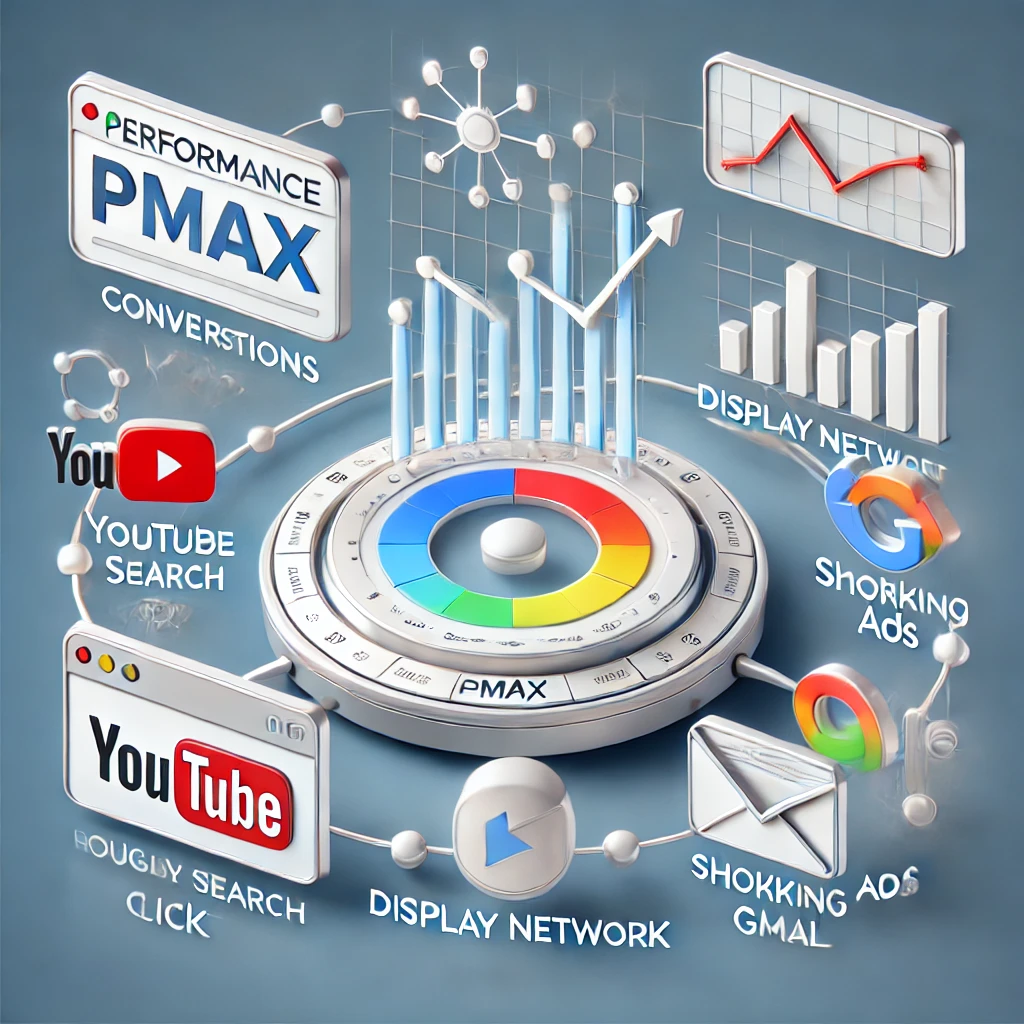
PMax Campaigns Take Advantage of Branded Search Terms: here is details….

Google’s Performance Max (PMax) campaigns are often positioned as a highly efficient, AI-powered solution for reaching customers across all Google inventory. While the concept is promising, it’s important for advertisers—and especially clients investing in paid media—to understand how PMax performance metrics can often be misleading without proper scrutiny.

Branded Search Traffic: Inflated Performance That Masks Reality

One critical but often overlooked factor is that PMax campaigns are heavily driven by branded search traffic by default. In other words, users who are already searching for your brand by name are being captured within your PMax campaign.

These users are already high-intent and low-cost to convert—often influenced by prior brand awareness, organic marketing, or other non-paid efforts. As a result, PMax reports often show an artificially low cost per acquisition (CPA), leading to a perceived sense of strong performance that doesn’t reflect true campaign effectiveness in reaching new audiences.

What Happens When You Exclude Brand Terms?

To assess the true value of PMax, we conducted a test by excluding branded terms from the campaign. Keep in mind, we only excluded EXACT MATCH brand term(s). The outcome was telling: cost per conversion increased by 4x.

While this might seem alarming at first, it reveals something important—the initial performance was largely subsidized by branded traffic, not necessarily by the campaign’s ability to drive new, incremental demand.

This type of insight is essential for informed decision-making, ensuring that marketing investments are measured against business growth objectives—not just surface-level metrics.

The Limitations of PMax: Lack of Control Over Brand Exclusions

Unfortunately, advertisers are not given full control over brand exclusions within the Google Ads platform. There is no native option to apply brand negative keywords directly in a PMax campaign.

To exclude branded traffic, advertisers must submit a manual request to Google via this form:

👉 Google Ads PMax Brand Exclusion Request Form

This process is cumbersome, opaque, and raises concerns about platform transparency, particularly when advertisers are trying to separate true prospecting efforts from existing brand demand.

What This Means for Advertisers and Clients

At the end of the day, our responsibility is to protect the integrity of your media investments. While PMax campaigns may still have a role to play in a broader strategy, it’s critical to interpret performance data with caution—and to ask the right questions:

• Are these results truly incremental?

• Is the platform providing us with the transparency and control we need?

• How can we isolate campaign impact from organic or brand-driven conversions?

Google’s automation tools are becoming increasingly sophisticated—but so is the need for independent analysis and strategic oversight. As your marketing partner, we remain committed to ensuring your campaigns are optimized for real business impact—not just favourable platform metrics.

If you’re currently running PMax campaigns and haven’t yet audited the role of branded traffic, now is the time to do so. Understanding the difference can have a significant impact on your media strategy and bottom line.

Quality score

How to Boost Your Quality Score and Optimize Ad Performance

What is Quality Score in Google Ads?

In Google Ads, a Quality Score is a metric used to gauge the relevance and quality of your ads, keywords, and landing pages. It’s a key factor that influences your ad’s position on the search results page and the cost you pay per click.

Here’s a breakdown of how Quality Score works:

Relevance of Keywords: It measures how closely your keywords match the intent of a user’s search query. Keywords that are closely aligned with the content of your ad and landing page are likely to score higher.

Ad Relevance: This assesses how well your ad copy aligns with the keywords you’re targeting and how relevant it is to the user’s search intent. Ads that are well-written and directly related to the user’s query generally receive higher scores.

Landing Page Experience: Google evaluates the quality of the landing page where users are directed after clicking your ad. Factors include how relevant the landing page content is to the ad and keyword, the page’s load speed, and its overall user experience.

Quality Score is usually rated on a scale from 1 to 10, with 10 being the highest possible score. A higher Quality Score can lead to better ad positions and lower costs per click (CPC), because Google aims to reward advertisers who provide a more relevant and positive experience for users.

How To Improve Your Quality Score

To improve your Quality Score in Google Ads, start by ensuring that your keywords are highly relevant to both your ad copy and landing page content. Conduct thorough keyword research to select terms that precisely match the intent of your target audience. Use these keywords strategically in your ad headlines and descriptions to create a clear and compelling message. A well-aligned keyword strategy helps Google understand that your ad is relevant to the search queries, which can lead to a higher Quality Score.

Next, focus on enhancing the user experience on your landing page. Ensure that the page content is directly related to your ad and provides valuable information or solutions that users are seeking. The landing page should load quickly, be easy to navigate, and have a clear call-to-action. By delivering a seamless and relevant experience, you increase the likelihood of users engaging with your site, which can improve your ad’s performance metrics like click-through rate (CTR) and conversion rate. Both of these factors contribute to a higher Quality Score, ultimately improving your ad position and reducing costs.

The Components of Google Ads Quality Score

Google Ads Quality Score is a comprehensive metric that evaluates several aspects of your advertising efforts to determine how effectively your ads meet user expectations. The Quality Score is influenced by three main components: keyword relevance, ad relevance, and landing page experience.

Keyword Relevance is a crucial component of Quality Score, focusing on how well your chosen keywords match the intent behind users’ search queries. Google assesses whether your keywords are closely related to the content of your ads and landing pages. To enhance keyword relevance, ensure that the terms you bid on are specific and relevant to the product or service you’re advertising. This alignment helps Google determine that your ads are highly pertinent to users’ searches, improving your Quality Score.

Ad Relevance examines how well your ad copy aligns with the keywords you are targeting and the user’s search intent. Google looks for ads that clearly and effectively incorporate the keywords and offer a compelling message that resonates with potential customers. Crafting ad copy that is closely related to your keywords and addresses the needs or interests of your audience can significantly boost your ad relevance, which in turn improves your Quality Score.

Landing Page Experience evaluates the quality and relevance of the page users land on after clicking your ad. Google considers factors such as page load speed, ease of navigation, and the relevance of the landing page content to the ad and keywords. A well-optimized landing page that provides a seamless user experience and matches the expectations set by your ad is crucial for a high Quality Score. Ensuring that your landing page offers valuable content and a positive user experience can enhance your Quality Score and overall ad performance.

By focusing on these three components—keyword relevance, ad relevance, and landing page experience—you can improve your Quality Score, leading to better ad positions and more cost-effective advertising.

The Relationship Between Quality Score and Ad Rank

Quality Score and Ad Rank are closely related metrics in Google Ads that influence the visibility and cost-effectiveness of your ads. Understanding their relationship is key to optimizing your ad performance.

Quality Score is a measure of the relevance and quality of your keywords, ad copy, and landing pages. It is based on three main factors: keyword relevance, ad relevance, and landing page experience. Quality Score is rated on a scale from 1 to 10, with higher scores indicating better alignment with user intent and a more positive user experience.

Ad Rank, on the other hand, determines the position of your ad on the search results page and is calculated based on the Quality Score and your bid amount. Ad Rank is computed using the formula:

This means that while your bid amount affects how much you are willing to pay for a click, the Quality Score impacts how effectively that bid translates into ad placement. A higher Quality Score can boost your Ad Rank even if your bid is lower, potentially allowing your ad to appear in a higher position compared to competitors with lower Quality Scores. Conversely, a lower Quality Score can result in a lower Ad Rank, which may require a higher bid to achieve a competitive position.

In summary, Quality Score directly influences Ad Rank. Improving your Quality Score by enhancing keyword relevance, ad relevance, and landing page experience can lead to a higher Ad Rank, better ad positions, and potentially lower costs per click. Thus, focusing on Quality Score is essential for optimizing your ad performance and achieving more efficient advertising outcomes.

Using Quality Score to Optimize Your Bidding Strategy

Using Quality Score to optimize your bidding strategy in Google Ads can significantly enhance the efficiency and effectiveness of your campaigns. Quality Score, which reflects the relevance and quality of your keywords, ad copy, and landing pages, plays a crucial role in determining your Ad Rank. By focusing on improving Quality Score, you can potentially lower your cost per click (CPC) and achieve better ad positions without necessarily increasing your bids.

First, prioritize enhancing your Quality Score by ensuring that your keywords are highly relevant to your ad copy and landing pages. Conduct thorough keyword research to select terms that closely match user intent and incorporate these keywords effectively into your ad text. This relevance boosts your Quality Score, which in turn can improve your Ad Rank even if your bid amount is modest. A higher Quality Score means that Google views your ads as more relevant, which can reduce the cost per click while maintaining or even improving your ad position.

Additionally, invest in optimizing your landing page experience. Ensure that your landing pages load quickly, are easy to navigate, and provide valuable content that aligns with the user’s search intent. A positive landing page experience can further improve your Quality Score, making your bids more effective. By refining these elements, you not only enhance the overall user experience but also improve your Quality Score, which can allow you to achieve better ad placements at a lower cost.

In essence, leveraging Quality Score to refine your bidding strategy involves focusing on the quality and relevance of your keywords, ads, and landing pages. By enhancing these aspects, you can optimize your bids, reduce costs, and improve ad performance, leading to more efficient and effective advertising campaigns.

Common Quality Score Myths Debunked

When managing Google Ads campaigns, various myths about Quality Score can lead to confusion and ineffective strategies. Here are some common Quality Score myths debunked:

1. 

Myth: Quality Score is the Only Factor in Ad Rank

Debunked: While Quality Score is crucial, it is not the sole determinant of Ad Rank. Ad Rank is calculated based on both your Quality Score and your bid amount. This means that even with a high Quality Score, a low bid could result in a lower Ad Rank compared to competitors with higher bids. Therefore, while optimizing Quality Score is important, your bid strategy also plays a significant role in determining your ad position.

 2. 

Myth: Quality Score Can Be Boosted by Increasing Bid Amount

Debunked: Increasing your bid amount alone does not directly improve your Quality Score. Quality Score is based on the relevance of your keywords, ad copy, and landing page experience. Simply raising your bid without addressing these quality factors will not enhance your Quality Score. Focus on optimizing the relevance and user experience elements to achieve a higher Quality Score, which can then work in tandem with your bids to improve your Ad Rank.

 3. 

Myth: Quality Score is Updated Daily   

Debunked: Quality Score is not updated on a daily basis. It is updated periodically, often in response to changes in your ad performance, keyword relevance, or landing page experience. This means that fluctuations in Quality Score can occur over time rather than on a daily basis. Regular monitoring and adjustments based on performance trends are essential for maintaining and improving your Quality Score.

 4. 

Myth: Quality Score Affects All Campaigns Equally

Debunked: Quality Score can vary significantly across different campaigns and ad groups. It is calculated individually for each keyword and ad group based on their specific performance metrics and relevance. Therefore, improvements in Quality Score for one campaign may not automatically translate to others. Tailor your optimization efforts to each campaign’s unique keywords and ad copy to achieve the best results.

 5. 

Myth: High Quality Score Guarantees Top Ad Position

Debunked: A high Quality Score improves your chances of achieving a top ad position, but it does not guarantee it. Ad position is also influenced by your bid amount and competition. Even with an excellent Quality Score, competitors with higher bids may still achieve higher ad positions. It’s essential to balance both Quality Score and bid strategy to secure optimal ad placements.

 By understanding and debunking these common myths, you can develop more effective strategies for managing your Google Ads campaigns and improving overall performance.

Quality Score Benchmarks for Different Industries

Quality Score benchmarks can vary significantly across different industries due to differences in competition, user behaviour, and keyword relevance. Understanding these benchmarks can help you gauge how well your campaigns are performing compared to industry standards. Here are some typical Quality Score benchmarks for various industries:

Retail:

Benchmark Range: 6-8

Details: Retail campaigns often face high competition, which can make achieving a high Quality Score challenging. Retailers must focus on precise keyword targeting, engaging ad copy, and optimized landing pages to stand out.

Finance and Insurance:

Benchmark Range: 5-7

Details: The finance and insurance industry is highly competitive and regulated, making it crucial to maintain relevance and compliance in ads and landing pages. Quality Scores in this sector tend to be moderate, with significant emphasis on targeting specific financial services or insurance products.

Travel and Hospitality:

Benchmark Range: 6-8

Details: This industry benefits from high user engagement, especially with visually appealing and relevant ads. Travel and hospitality advertisers often achieve higher Quality Scores by focusing on specific destinations, offers, and user experiences.

Health and Medical:

Benchmark Range: 4-6

Details: The health and medical industry faces stringent regulations and a highly specialized audience. Achieving a higher Quality Score requires careful keyword selection and compliant ad messaging, along with well-optimized landing pages.

Technology:

Benchmark Range: 6-8

Details: Technology companies often see higher Quality Scores due to targeted keywords and a tech-savvy audience. Success in this industry involves using precise technical terms and creating ads and landing pages that address specific technological solutions.

 Education:

Benchmark Range: 5-7

Details: Educational institutions and online learning platforms need to focus on the relevance of educational programs and courses. Quality Scores in this industry can vary but generally improve with well-defined educational offerings and tailored messaging.

 Real Estate:

 Benchmark Range: 5-7

Details: Real estate ads often need to address localized and specific property-related queries. Quality Scores can be improved by using precise keywords related to property types, locations, and features.

These benchmarks provide a general overview and can vary based on factors like geographic location, competition level, and specific campaign goals. Regularly reviewing your Quality Score in the context of your industry and adjusting your strategies accordingly can help improve your ad performance and efficiency.