
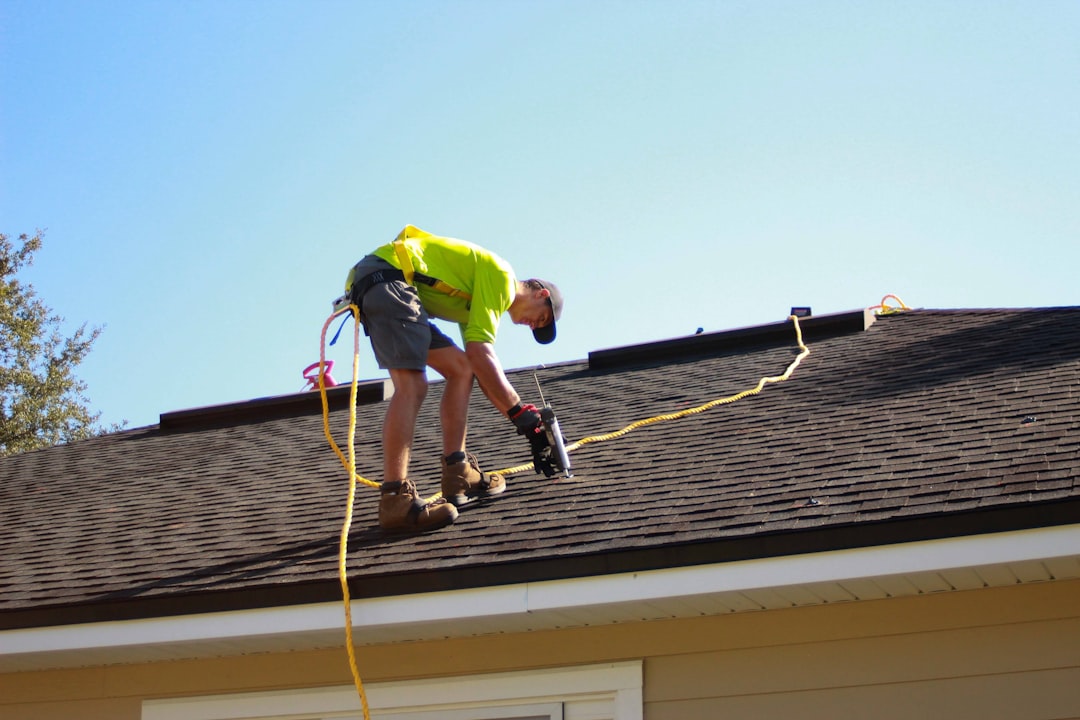
How to Use Storm Season Campaigns to Drive Roofing Leads
Storm season represents one of the most critical periods for roofing contractors. According to the National Storm Damage Center, severe weather events cause approximately $54 billion in property damage annually across the United States, with roofing damage accounting for roughly 35-40% of all insurance claims. This presents an unprecedented opportunity for roofing businesses to capture qualified leads when homeowners are actively seeking solutions.
However, the roofing industry faces unique challenges when capitalizing on storm season demand. Many contractors struggle to differentiate themselves during peak periods when competition intensifies, leads become expensive, and response times become critical. Understanding how to strategically position your roofing business during these high-demand windows can mean the difference between a thriving season and missed opportunities.
Understanding the Storm Season Lead Opportunity
Storm season creates an immediate, tangible need for roofing services. Unlike typical seasons where homeowners may contemplate repairs, storm damage creates urgency. Research shows that 78% of homeowners whose property has been damaged by severe weather will contact a contractor within the first 48 hours. This compressed decision-making window requires roofing businesses to have campaigns ready and optimized before the first storm hits.
The challenge, however, lies in reaching these homeowners quickly and credibly. When severe weather strikes, search volume for roofing-related keywords spikes dramatically. Your competitors are launching campaigns simultaneously, creating a saturated marketplace where visibility becomes expensive and difficult to achieve organically.
Pre-Season Campaign Preparation
Successful roofing businesses don’t wait for storms to occur. They prepare comprehensive campaigns months in advance. This means developing messaging, creating landing pages, and establishing digital infrastructure before storm season arrives.
Begin by developing a storm-response content strategy that positions your company as a trusted expert. Create detailed guides addressing common storm damage questions: “What to Do After Wind Damage,” “Insurance Claims for Roof Damage,” and “How to Identify Hail Damage.” This content serves dual purposes—it builds authority and captures leads from homeowners in research phases.
Build dedicated landing pages for storm-related services. These pages should include before-and-after photos, customer testimonials, insurance information, and clear calls-to-action. Optimize these pages for local search terms incorporating “storm damage,” “emergency roof repair,” and your specific service areas.
Multi-Channel Campaign Execution
Effective storm season campaigns leverage multiple channels simultaneously. Paid search advertising becomes essential—bid on high-intent keywords when storms are forecasted or have recently occurred in your service area. However, relying solely on paid search creates budget challenges during peak periods when costs escalate.
Social media advertising provides cost-effective reach. Target homeowners in affected zip codes with educational content and service offerings. Facebook and Instagram allow granular geographic targeting, enabling you to focus budgets on areas experiencing actual storm activity rather than blanket regional campaigns.
Email marketing to your existing customer base and past leads generates immediate revenue with minimal cost. A simple, timely message—”Storm Damage? We’re Here to Help”—can convert previous prospects into paying customers during vulnerable moments.
Consider implementing a marketing automation platform that streamlines lead capture and nurturing. Smartli.co offers roofing-specific solutions that help contractors manage high-volume leads efficiently during peak seasons, ensuring no opportunity falls through the cracks.
Overcoming Roofing Industry Challenges
The roofing industry faces particular obstacles during storm season. Reputation matters enormously—homeowners are cautious about contractor selection when making significant claims. Building genuine reviews and case studies before storm season ensures credibility when you need it most.
Response time challenges plague many roofing companies. High-volume lead periods expose operational limitations. Implement systems that enable rapid customer follow-up. Marketing automation platforms like Smartli can automatically respond to inquiries, schedule appointments, and qualify leads, allowing your team to focus on closing sales rather than administrative tasks.
Insurance coordination expertise becomes a significant differentiator. Homeowners navigating insurance claims need guidance. Training your team and marketing your claims assistance expertise creates competitive advantage and builds trust during stressful periods.
Timing and Flexibility
Successful storm season campaigns remain flexible. Monitor weather forecasts continuously and adjust spending based on actual storm activity. Redirect budgets toward regions experiencing active weather events rather than maintaining static campaigns across entire service territories.
Post-storm follow-up matters tremendously. Many homeowners don’t immediately recognize damage or understand insurance options. Continued educational content and gentle remarketing campaigns capture leads that emerge weeks after initial storm impact.
Conclusion
Storm season represents roofing’s biggest opportunity for lead generation and revenue growth. By preparing comprehensive campaigns beforehand, implementing multi-channel strategies, and addressing industry-specific challenges with the right systems, your roofing business can transform seasonal volatility into predictable growth. The companies that systematically capitalize on storm season—those with preparation, technology, and strategic execution—will consistently outperform competitors who simply react after weather strikes.