
0

SMARTLI

Engineering Success, Smartli

Value of email marketing and  legal standards compliance

Elevate Your Email Marketing Strategy: Simple, Compliant, and Effective

Email marketing is a powerful tool to connect with your audience, build relationships, and grow your business. But to get the best results, your strategy needs to be both effective and legally compliant with rules like CASL (Canada’s Anti-Spam Legislation) and PIPEDA (Personal Information Protection and Electronic Documents Act). Whether you’re in the legal industry or any other field, these best practices will help you run a clean, compliant, and results-driven email marketing campaign.

Why Email Marketing Works

Email marketing offers key benefits that make it one of the best ways to reach your audience:

  • Direct Communication: Emails go straight to inboxes, avoiding social media algorithms.
  • High ROI: Email marketing gives some of the highest and cost effective (nina – combined both points here)) returns on investment (ROI) in digital marketing.
  • Stronger Relationships: Regular emails help keep your business top of mind. Your messaging remains personalized, building  trust and strengthening client relationships.
  • Measurable Results: Tools like Mailchimp let you track open rates, clicks, and conversions.
  • Ownership of Your Audience: Unlike social media, you own your email list and control how you reach people.

Following the Rules: CASL & PIPEDA

To avoid fines and ensure trust, your emails must follow Canada’s email marketing laws.

CASL (Canada’s Anti-Spam Legislation)

  • You need permission (either express or implied) before sending marketing emails.
  • Every email must include:
    • Your business name and contact details.
    • An easy unsubscribe option (requests must be processed within 10 days).
    • Proof of consent records (when and how someone signed up).

PIPEDA (Personal Information Protection and Electronic Documents Act)

  • Businesses must handle personal information carefully.
  • You must:
    • Get clear (informed maybe-nina?) consent before collecting personal data.
    • Keep personal data secure (e.g., encryption, password protection).
    • Allow people to access or update their information.
    • Have a privacy policy explaining how data is used.

Not following these rules can result in fines up to $10 million, so compliance is critical.

Building a CASL-Compliant Signup Form

Your signup form is where compliance starts. Here’s how to do it right:

1. Use a Consent Checkbox Make sure users actively opt-in to receive emails. Example wording:

“Yes, I agree to receive emails with updates, events, and newsletters. I can unsubscribe anytime.”

2. Enable Double Opt-In A double opt-in means users confirm their email after signing up. This helps prevent fake signups and improves list quality.

3. Keep Consent Records Mailchimp automatically logs when, where, and how users signed up, which helps with legal compliance.

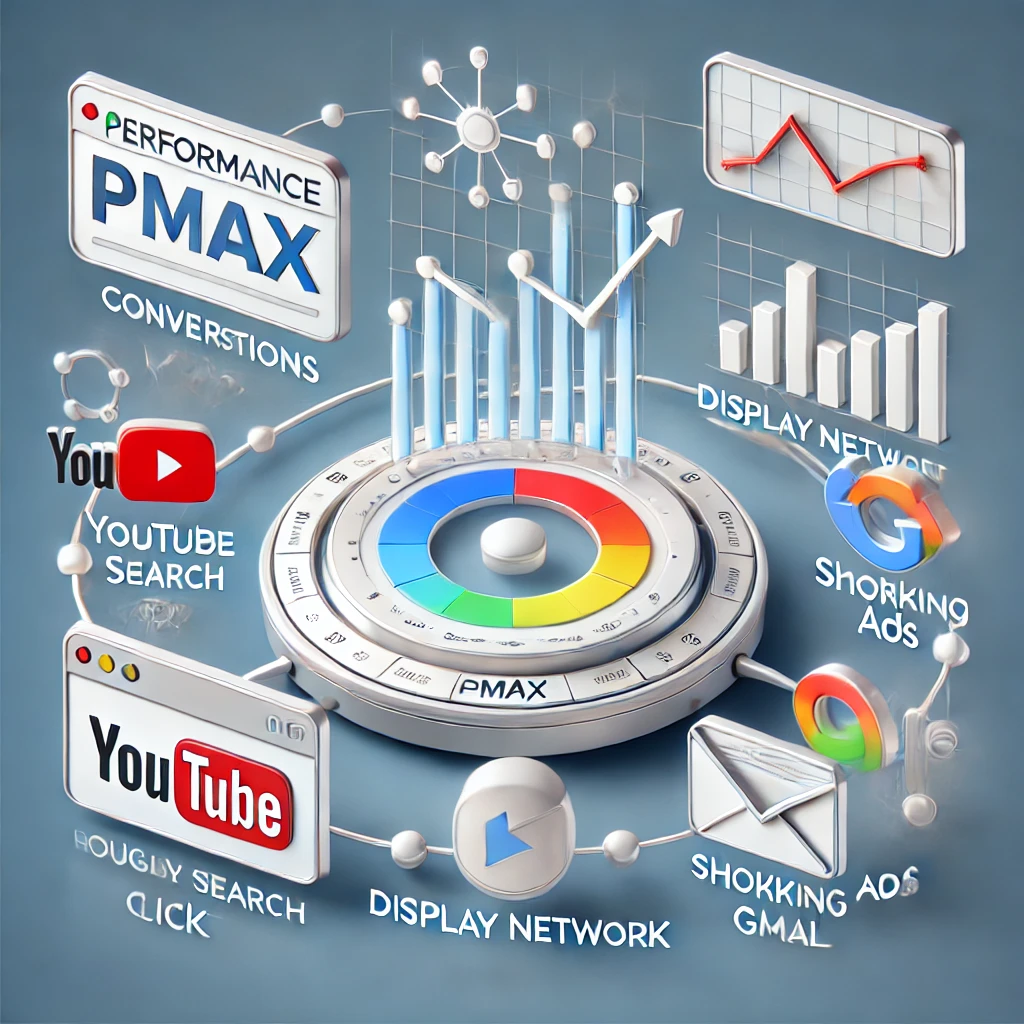
PMax Campaigns Take Advantage of Branded Search Terms: here is details….

Google’s Performance Max (PMax) campaigns are often positioned as a highly efficient, AI-powered solution for reaching customers across all Google inventory. While the concept is promising, it’s important for advertisers—and especially clients investing in paid media—to understand how PMax performance metrics can often be misleading without proper scrutiny.

Branded Search Traffic: Inflated Performance That Masks Reality

One critical but often overlooked factor is that PMax campaigns are heavily driven by branded search traffic by default. In other words, users who are already searching for your brand by name are being captured within your PMax campaign.

These users are already high-intent and low-cost to convert—often influenced by prior brand awareness, organic marketing, or other non-paid efforts. As a result, PMax reports often show an artificially low cost per acquisition (CPA), leading to a perceived sense of strong performance that doesn’t reflect true campaign effectiveness in reaching new audiences.

What Happens When You Exclude Brand Terms?

To assess the true value of PMax, we conducted a test by excluding branded terms from the campaign. Keep in mind, we only excluded EXACT MATCH brand term(s). The outcome was telling: cost per conversion increased by 4x.

While this might seem alarming at first, it reveals something important—the initial performance was largely subsidized by branded traffic, not necessarily by the campaign’s ability to drive new, incremental demand.

This type of insight is essential for informed decision-making, ensuring that marketing investments are measured against business growth objectives—not just surface-level metrics.

The Limitations of PMax: Lack of Control Over Brand Exclusions

Unfortunately, advertisers are not given full control over brand exclusions within the Google Ads platform. There is no native option to apply brand negative keywords directly in a PMax campaign.

To exclude branded traffic, advertisers must submit a manual request to Google via this form:

👉 Google Ads PMax Brand Exclusion Request Form

This process is cumbersome, opaque, and raises concerns about platform transparency, particularly when advertisers are trying to separate true prospecting efforts from existing brand demand.

What This Means for Advertisers and Clients

At the end of the day, our responsibility is to protect the integrity of your media investments. While PMax campaigns may still have a role to play in a broader strategy, it’s critical to interpret performance data with caution—and to ask the right questions:

• Are these results truly incremental?

• Is the platform providing us with the transparency and control we need?

• How can we isolate campaign impact from organic or brand-driven conversions?

Google’s automation tools are becoming increasingly sophisticated—but so is the need for independent analysis and strategic oversight. As your marketing partner, we remain committed to ensuring your campaigns are optimized for real business impact—not just favourable platform metrics.

If you’re currently running PMax campaigns and haven’t yet audited the role of branded traffic, now is the time to do so. Understanding the difference can have a significant impact on your media strategy and bottom line.