
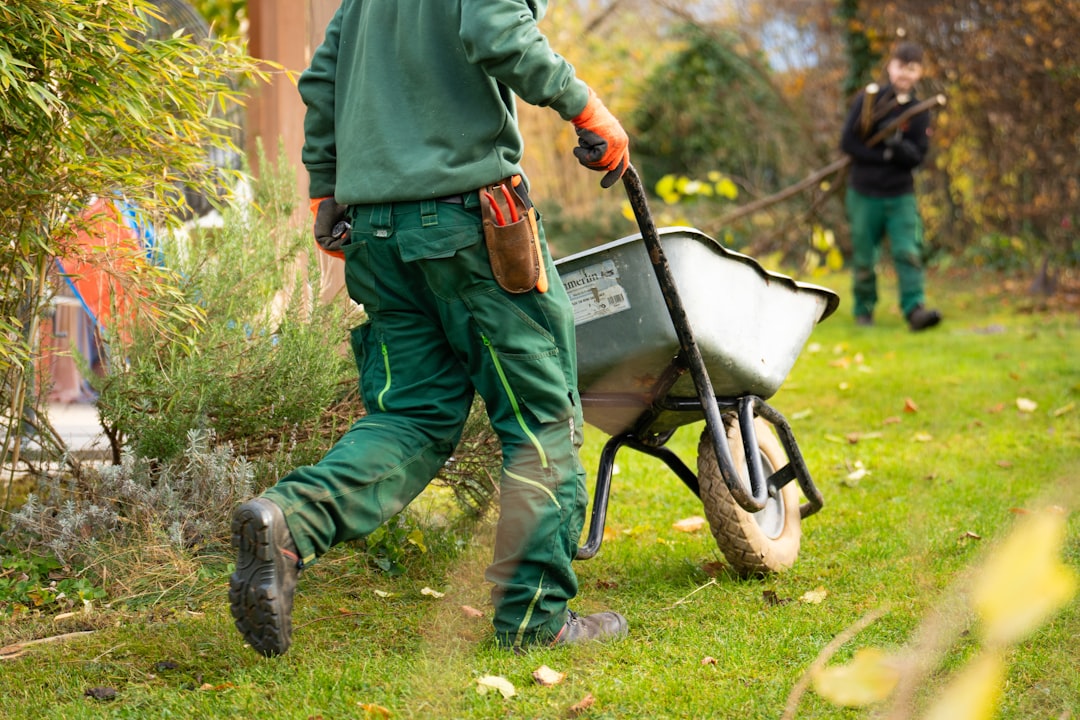
How to Use Local SEO to Rank Your Landscaping Business on Google Maps
In today’s digital landscape, local search engine optimization has become a critical component for landscaping businesses looking to compete effectively. According to recent data, 76% of consumers who search for local businesses on their mobile devices visit or contact the business within 24 hours. For landscaping companies, this statistic is particularly important, as most potential customers are searching for nearby services from their phones while planning their outdoor projects.
The landscaping industry faces unique challenges in the digital marketing space. Unlike many service-based businesses, landscaping companies must contend with highly competitive local markets, seasonal demand fluctuations, and the need to showcase their work visually. Additionally, 93% of local searches result in a visit or purchase, making Google Maps visibility absolutely essential for sustainable business growth.
If you’re running a landscaping business and want to dominate your local search results on Google Maps, this comprehensive guide will walk you through the proven strategies that actually work.
Optimize Your Google Business Profile Completely
Your Google Business Profile (formerly Google My Business) is the foundation of your local SEO success. This free tool is where most of your potential customers will first encounter your business online. Start by ensuring every single field is filled out completely and accurately.
Include your business name exactly as it appears on your business licenses and signage. Add your phone number, address, and website URL. However, don’t stop there. The landscaping industry demands visual representation. Upload high-quality photos of your completed projects, your team in action, and before-and-after shots that showcase your expertise. Google rewards businesses that upload photos regularly—aim for at least one new image every two weeks.
Write a compelling business description that includes your primary services. Instead of just writing “landscaping services,” specify what you offer: “residential landscape design, hardscape installation, seasonal lawn maintenance, and outdoor lighting design in [Your City].” This specificity helps Google understand your business and improves your chances of appearing in relevant searches.
Generate and Manage Customer Reviews Strategically
Reviews are the currency of local SEO. Google’s algorithm heavily weighs review quantity, quality, and recency when ranking businesses on Google Maps. For landscaping companies, this presents both an opportunity and a challenge.
The challenge? Many landscaping customers don’t naturally think to leave reviews online. The solution is to make the process effortless. After completing a project, follow up with clients via email or text with a direct link to your Google Business Profile review page. Include a simple message like: “We’d love to know how we did! Please leave a review on Google.”
Encourage your team to ask satisfied customers for reviews before they leave the property. Make it part of your standard closing process. Respond professionally to every review—both positive and negative. Responding to negative reviews shows potential customers that you care about customer satisfaction and are willing to address concerns.
Master Local Keyword Research and Implementation
Generic keywords like “landscaping” are too broad and highly competitive. Instead, focus on location-specific keywords. Your target phrases should include your city, neighborhood, or service area combined with your primary services.
Examples include: “landscape design in [City Name],” “hardscape contractors near me,” “lawn maintenance services in [Neighborhood],” and “outdoor patio installation [City].” These keywords should appear naturally throughout your website content, service pages, and your Google Business Profile description.
For additional guidance on structuring your local SEO strategy and measuring results, consider exploring resources like Smartli.co, which offers valuable insights into local search optimization for service-based businesses.
Build Local Citations and Backlinks
Citations are online mentions of your business name, address, and phone number (NAP) on other websites. Ensure your information is consistent across platforms like Yelp, HomeAdvisor, Angie’s List, and local business directories. Inconsistencies confuse Google’s algorithms and hurt your rankings.
Additionally, seek opportunities to get backlinks from local sources: local news outlets, chamber of commerce websites, community organizations, and industry directories. If you sponsor a local event or participate in community improvement projects, ask those organizations to link to your website.
Create Location-Specific Content
Develop blog posts and service pages that target specific neighborhoods or service areas within your region. Create content addressing common landscaping challenges in your climate, seasonal maintenance tips, and design trends popular in your community.
For more comprehensive strategies on optimizing your online presence, visit Smartli.co for detailed local SEO resources.
Conclusion
Ranking your landscaping business on Google Maps requires consistent effort across multiple fronts, but the return on investment is substantial. By optimizing your Google Business Profile, actively managing reviews, implementing location-specific keywords, building citations, and creating valuable local content, you’ll significantly improve your visibility to customers searching for landscaping services in your area. Start implementing these strategies today, and watch your phone ring with qualified leads.